Why Drinking More Water Isn't Fixing Your Afternoon Fatigue
Quick Answer: More plain water without electrolytes can dilute sodium levels and sometimes worsen fatigue rather than fix it. If fatigue persists despite good water intake, check sodium/electrolyte balance and sleep quality before assuming you just need more water.
You’ve done everything right — bigger water bottle, hourly reminders, tracking ounces. And the 2pm wall still hits exactly the same. At some point, more water stops being the answer, and it’s worth checking what actually is.

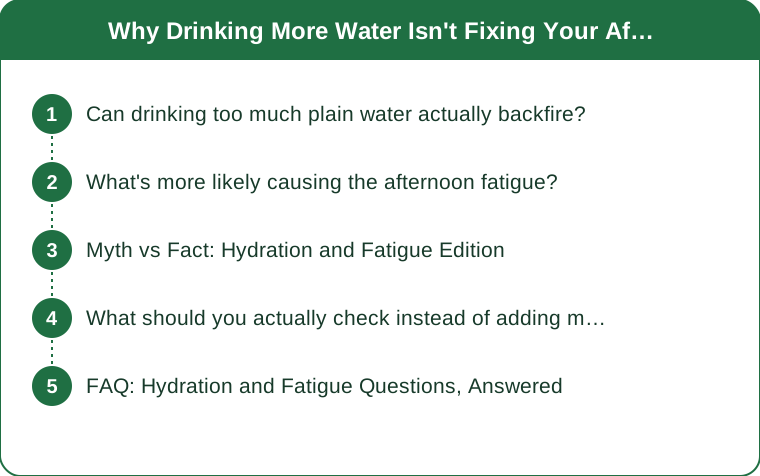
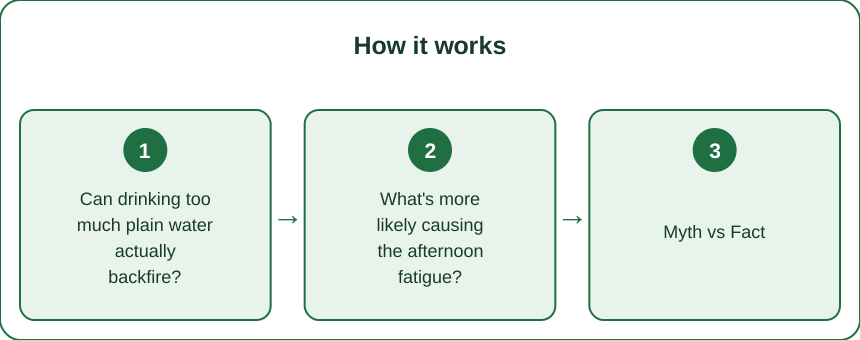
Can drinking too much plain water actually backfire?
Yes — high plain-water intake without adequate sodium can lead to mild hyponatremia (diluted blood sodium), which itself causes fatigue, headache, and brain fog — essentially the same symptoms you were trying to fix by drinking more water in the first place.
What’s more likely causing the afternoon fatigue?
Sleep debt, blood sugar dips from meal composition, and low activity are more common afternoon-fatigue drivers than mild dehydration once you’re already drinking reasonably well. A big carb-heavy lunch with no protein or fiber, for instance, produces a blood sugar crash that mimics dehydration fatigue almost exactly.

Myth vs Fact: Hydration and Fatigue Edition
Myth: More water always means more energy. Fact: Past a reasonable intake level, extra plain water has diminishing returns and can even dilute needed electrolytes.
Myth: Urine color is a perfect hydration gauge. Fact: Certain vitamins (B vitamins especially) and some medications change urine color independent of hydration status, making it a rough guide, not a precise one.
Myth: Thirst is a late and unreliable signal. Fact: For most healthy adults in normal conditions, thirst is a reasonably good real-time guide — the 8-glasses rule was never based on strong evidence and overrides a perfectly fine internal signal for many people.
What should you actually check instead of adding more water?
Sleep duration and quality first — under 7 hours consistently is one of the strongest fatigue drivers, unrelated to hydration. Then meal composition — pair carbs with protein and fiber at lunch to avoid the blood sugar dip. Add electrolytes (not just more water) if you’re sweating heavily or already drinking 3+ liters daily.
FAQ: Hydration and Fatigue Questions, Answered
How much water is actually enough for most people?
Roughly half your body weight in ounces is a reasonable general starting point, adjusted up for heat, exercise, or high sweat rates — not a universal fixed number.
Should I add electrolytes even if I’m not an athlete?
If you’re already drinking a lot of plain water daily, a small amount of sodium/electrolytes (even a pinch of salt in water) can help maintain balance, especially in hot weather.
Is afternoon fatigue ever a sign of something else?
If it’s severe, persistent despite good sleep and hydration, or comes with other symptoms, it’s worth checking with a doctor — this is general information, not medical advice.
TL;DR:
- More plain water past a reasonable point can dilute sodium and worsen fatigue, not fix it
- Sleep debt and blood-sugar-crashing meals are more common afternoon fatigue causes
- Pair carbs with protein and fiber at lunch instead of just drinking more water
- Persistent fatigue despite good sleep and hydration deserves a doctor’s input
Keep Reading
This article is for general informational purposes only and is not medical advice. Always consult a qualified health professional for guidance specific to you.