Is Dehydration Behind Your 3pm Brain Fog?
Quick Answer: Even mild dehydration — as little as 1-2% of body weight in fluid loss — measurably slows reaction time and concentration, and for most people the afternoon slump lines up almost exactly with hours since their last real glass of water, not their last meal.
You blame the sandwich. You blame the meeting. You blame just being tired. But the timing of that 3pm fog usually matches something simpler: it’s been six or seven hours since you actually drank anything besides coffee.

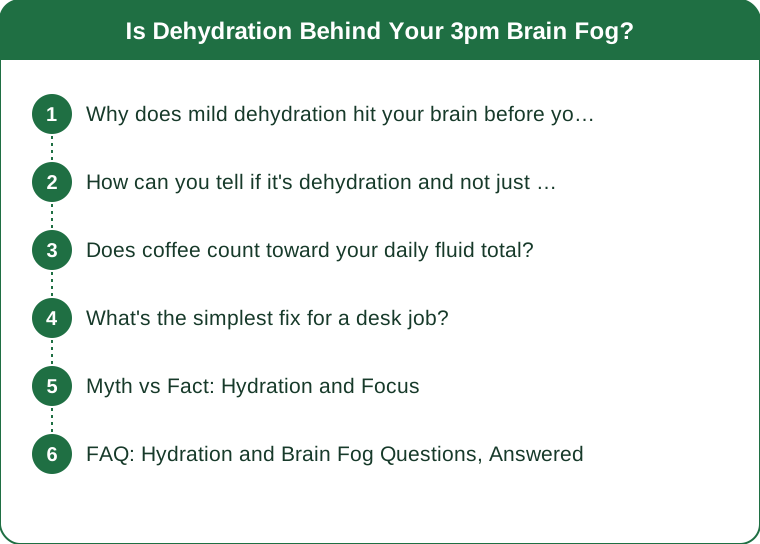
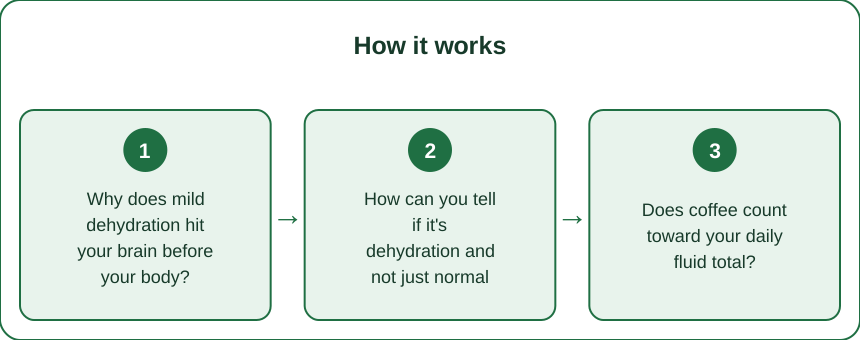
Why does mild dehydration hit your brain before your body?
Your brain is about 75% water, and it’s unusually sensitive to small shifts in hydration compared to muscle or skin. Research on mild dehydration — losing just 1-2% of body weight in fluid — consistently shows measurable drops in short-term memory, alertness, and reaction time, well before you’d feel classic thirst symptoms like a dry mouth.
That gap matters: by the time you feel obviously thirsty, mild cognitive dulling has often already been happening for an hour or more.
How can you tell if it’s dehydration and not just normal tiredness?
A simple test: drink a full 16oz glass of water and wait 20 minutes. If the fog noticeably lifts, hydration was a real factor — normal tiredness from poor sleep doesn’t respond that fast. Other clues include a headache that eases after water, dark yellow urine, or the fog appearing at a consistent time relative to your last drink rather than your last meal.
Does coffee count toward your daily fluid total?
Coffee and tea do count toward hydration — the old myth that caffeine causes net fluid loss has been debunked for typical intake levels. But coffee isn’t a substitute for water in the way most people use it: a 3pm coffee gives you alertness from caffeine, which can mask dehydration fog for 30-45 minutes before it returns, often worse.

What’s the simplest fix for a desk job?
Keep a 32oz bottle at your desk and finish it by 2pm, refilling once more before you leave. This single habit change removes the guesswork — you’re not tracking ounces all day, just watching one visual marker. Pair it with a glass of water immediately after your last meal, since digestion pulls fluid that would otherwise be available to your brain.
Myth vs Fact: Hydration and Focus
Myth — you need 8 glasses of water a day no matter what. Fact — needs vary by body size, activity, and climate, and a desk-bound day in air conditioning needs less than an active outdoor one. Myth — feeling thirsty means you’re about to get dehydrated. Fact — thirst is a lagging signal, and mild cognitive effects start before it kicks in, which is exactly why scheduled drinking beats waiting to feel thirsty.
FAQ: Hydration and Brain Fog Questions, Answered
Can you overhydrate and cause the same fog?
Yes — drinking excessive amounts of water in a short window can dilute sodium levels and cause similar sluggishness, though this is rare outside of endurance sports; steady sipping avoids the issue entirely.
Does electrolyte content matter for afternoon fog specifically?
For most desk-based days, plain water is enough; electrolytes matter more after sweating from exercise or heat, where sodium loss alongside water loss is the bigger factor.
How fast should the fog lift after drinking water?
Most people notice improvement within 20-30 minutes if dehydration was the actual cause, though full rehydration from a meaningfully dehydrated state takes longer.
TL;DR:
- The 3pm fog often tracks hours since your last drink, not your last meal
- Mild dehydration (1-2% body weight) measurably slows focus before you feel thirsty
- Coffee counts toward fluids but can mask fog with caffeine for 30-45 minutes
- A 32oz bottle finished by 2pm removes the guesswork entirely
Before reaching for another coffee or blaming a bad night’s sleep, try the 16-ounce test first — it’s the cheapest, fastest way to rule hydration in or out.
Keep Reading
This article is for general informational purposes only and is not medical advice. Always consult a qualified health professional for guidance specific to you.