When a Sports Drink Actually Beats Plain Water (and When It's Just Sugar)
Sports drinks are marketed as a default upgrade over water, but for most workouts under an hour, that upgrade is mostly sugar with a marketing budget. The real advantage only shows up under specific conditions, and knowing which ones saves both calories and money.

When Water Alone Is Genuinely Enough
The common case: the the-under-sixty-minutes-rule (most exercise sessions lasting under an hour not depleting electrolyte stores enough to need replacement mid-session, making plain water sufficient), the the-moderate-intensity-baseline (a typical gym session or recreational run at moderate intensity losing sweat at a rate the body’s existing electrolyte reserves can handle without supplementation), the the-added-sugar-cost (a sports drink consumed during a short session mostly adding unnecessary sugar and calories without a corresponding performance benefit).
When Electrolytes Actually Help
The real use case: the the-duration-threshold (sessions lasting longer than ninety minutes to two hours, especially in heat, genuinely depleting sodium and other electrolytes enough that replacement improves performance and reduces cramping risk), the the-heavy-sweater-exception (people who sweat heavily or visibly leave salt residue on their skin or clothing needing electrolyte replacement sooner than the general duration guideline suggests), the the-heat-and-humidity-multiplier (hot, humid conditions accelerating sweat and electrolyte loss well beyond what the same workout would cause in a cool room).
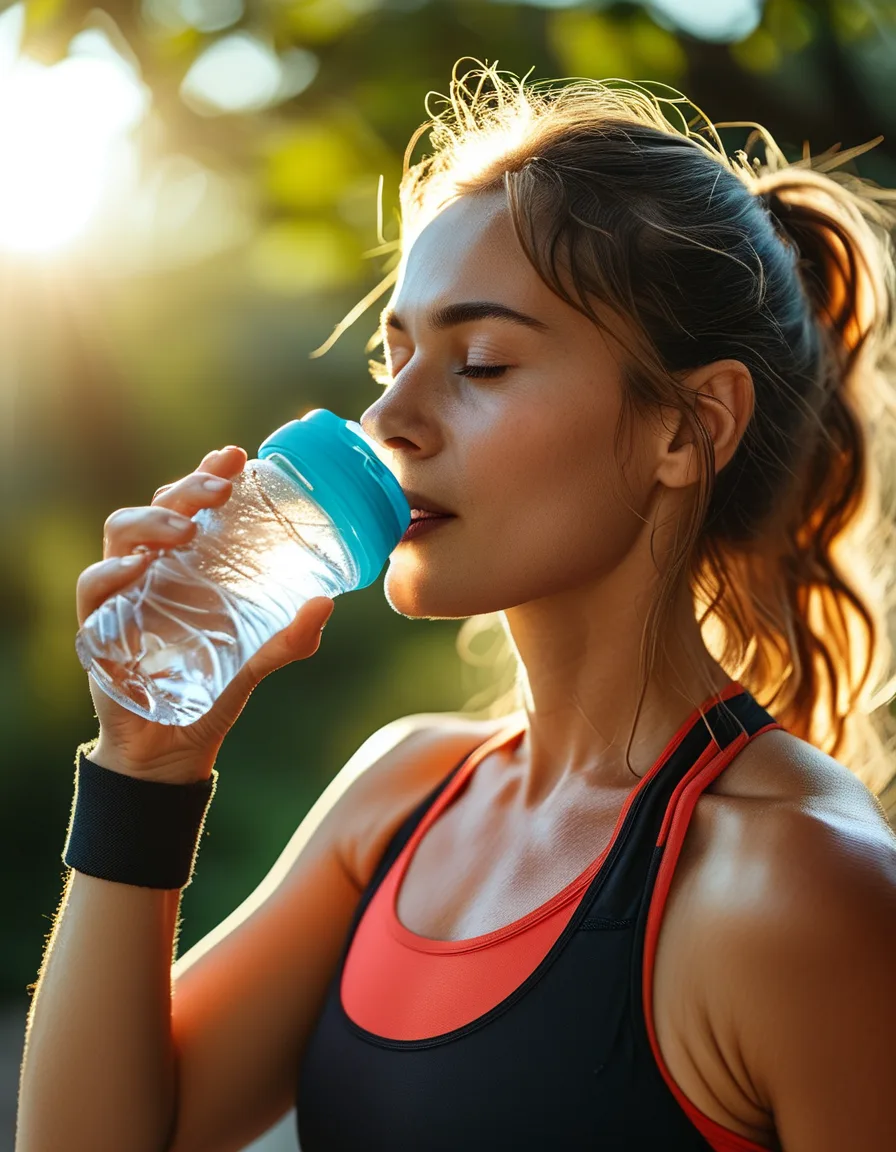
Reading a Sports Drink Label
The label literacy: the the-sugar-per-serving-check (many popular sports drinks containing as much sugar per serving as a can of soda, which matters if the workout doesn’t actually warrant that much replacement), the the-sodium-content-comparison (electrolyte-focused products aimed at genuine replacement needs typically listing sodium prominently, while sugary sports drinks often bury it behind flavor marketing), the the-electrolyte-tablet-alternative (a low-sugar electrolyte tablet dissolved in plain water giving the replacement benefit for long sessions without the full sugar load of a traditional sports drink).
A Simple Decision Rule
The practical shortcut: the the-duration-and-sweat-check (asking whether the session is past ninety minutes and involves heavy, visible sweating before reaching for anything beyond water), the the-default-to-water (defaulting to plain water for anything shorter or milder, and treating sports drinks as a tool for genuinely long or hot sessions rather than a daily habit), and the frame (water covers nearly all typical workouts — sports drinks earn their place only past roughly ninety minutes of sweat-heavy effort, and even then, checking the sugar label matters.)
The sports drink aisle is built around the assumption that any workout justifies electrolyte replacement, but physiologically that’s only true past a fairly specific threshold: roughly ninety minutes of sustained, sweat-heavy effort, or shorter sessions in serious heat. Below that, the body’s existing electrolyte reserves handle a typical workout fine, and a sports drink mostly contributes sugar without a performance upside. The habit worth building is checking both the clock and the label — how long is the session actually going, and how much sugar is in the bottle being reached for. Low-sugar electrolyte tablets dissolved in water offer a middle path for genuinely long sessions without the full sugar load of a traditional sports drink. For the vast majority of gym visits, runs, and classes, plain water remains the better default, and the sports drink can be saved for the days that actually earn it.
Keep Reading
This article is for general informational purposes only and is not medical advice. Always consult a qualified health professional for guidance specific to you.