Your Water Bottle Is a Petri Dish: The Hygiene Guide Nobody Follows
The reusable bottle rides everywhere, gets topped up for days and washed… occasionally — a warm, damp, sipped-from environment that microbiology has opinions about. The bottle-hygiene guide: the honest science, the washing protocol and the inspection that finds what the rinse missed.
The Microbiology Reality
What grows in there: the backwash ecosystem (every sip seeds the bottle with mouth bacteria — the water-only bottle still cultures; the swab studies of unwashed bottles produce the numbers that go viral for reasons), the growth accelerants (warmth, time and anything-but-water — the smoothie residue, the electrolyte powder, the gym-bag afternoon; the sugared contents converting the bottle from slow culture to active ferment), the risk honesty (your own bacteria mostly — the daily-rinsed bottle is more gross-adjacent than dangerous; the moldy and shared bottles are where real problems live), and the smell test (the bottle that smells off IS off — the sniff being a legitimate microbiological assay).
The Washing Protocol
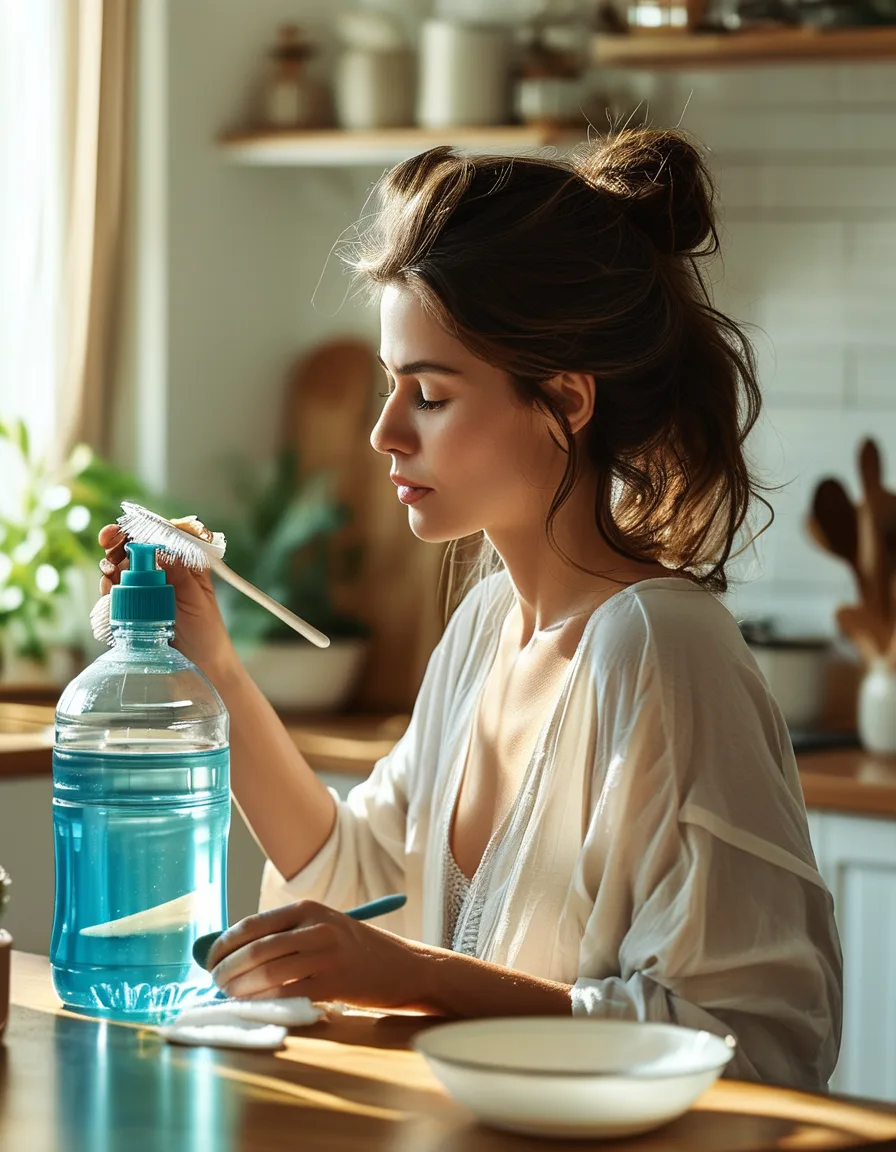
The routine by usage: the daily wash standard (hot soapy water every day for the everyday bottle — the dish-among-dishes framing; the water-only bottle earning a real wash daily, the anything-else bottle immediately after), the bottle-brush necessity (the narrow-neck bottle unwashable without one — the brush reaching what the swish cannot; the bottle-and-straw brush set as the category’s essential accessory), the weekly deep clean (the baking-soda-or-denture-tablet soak that resets the bottle — the overnight fizz for the neglected; the vinegar option for mineral film), the dishwasher question (the dishwasher-safe check per bottle — the insulated bottles whose vacuum seals dislike it; the lid ALWAYS hand-checked regardless), and the dry-open rule (the washed bottle dried fully with the lid OFF — the sealed damp bottle re-growing what the wash removed; the drying rack’s standing resident).
The Danger Zones
Where grime hides: the lid-gasket problem (the rubber seal that harbors the black spots — the gasket popped out and scrubbed weekly; the mold’s favorite address in every bottle brand), the straw-and-spout interiors (the sip-surfaces that touch mouth and air — the straw brush’s whole career; the flip-spout hinge that collects), the thread-grooves (the screw threads that the rinse skips), and the inspection ritual (the monthly bright-light look inside — the phone-flashlight check of the base and gasket; the black-spot discovery that’s disappointing and fixable: the deep-clean soak or, for etched-in mold, the retirement decision; the bottle is replaceable, the habit isn’t).
The Fleet Management
The multi-bottle life: the rotation logic (two-plus bottles alternating — the always-one-clean system that removes the wash-it-now-or-drink-gross dilemma; the gym-bag bottle and the desk bottle as separate residents), the material notes (stainless resists odor-and-stain best, glass cleans most honestly, plastic scratches into grip for microbes fastest — the scratched-cloudy plastic bottle’s retirement being overdue), the shared-bottle etiquette (the household bottles labeled — the kid-sip and the gym-share both meriting the wash-after), and the perspective close (the bottle hygiene ask is ninety daily seconds — the hydration habit’s small tax; the bottle carried everywhere earns the wash the mug gets automatically; the petri dish reforms on soap alone). Wash daily, brush weekly, pop the gasket monthly: the bottle, civilized.
Wash daily like a dish, brush the straw and gasket, dry with the lid off, retire the scratched. The bottle rides everywhere and cultures accordingly — ninety seconds of soap keeps it a bottle.
Keep Reading
This article is for general informational purposes only and is not medical advice. Always consult a qualified health professional for guidance specific to you.